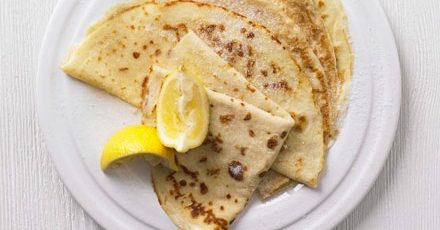
Your Foolproof Guide to Flawless BBC British Pancakes at Home
For anyone who has ever dreamed of recreating the delicate, lacy-edged pancakes encountered during a quintessential British experience, your quest for perfection ends here. Forget the thick, fluffy American-style pancakes; we're diving deep into the world of the elegant British counterpart, a culinary marvel often associated with the classic
BBC Pancake Recipe. This isn't just another rehash of a standard recipe; it's a comprehensive guide, honed through countless trials and triumphs, designed to equip you with the secrets to consistently produce melt-in-your-mouth, perfectly rollable pancakes every single time.
My own journey, much like many enthusiasts, began with a fascination for these exquisite thin pancakes. Years of experimentation, often resulting in tough, greasy, or inconsistent results, taught me invaluable lessons. The breakthrough wasn't a fancy ingredient or an obscure technique, but rather an understanding of the science behind the simplicity. The key to unlocking that impossible tenderness and lightness lies in a few crucial, yet often overlooked, steps. This guide will walk you through them all, ensuring your homemade British pancakes are nothing short of spectacular.
The Allure of the British Pancake: A Delicate Delicacy
What sets British pancakes apart? Primarily, their signature thinness and delicate texture. Unlike their American cousins, which are leavened with baking powder or soda to achieve a rise, British pancakes (often called crêpes in other parts of the world) are designed to be almost translucent, allowing for beautiful lacy edges and a soft, pliable body. This makes them ideal for rolling or folding, a distinct characteristic that influences how they are traditionally served.
Their versatility is another significant draw. While famously enjoyed with a squeeze of fresh lemon juice and a sprinkle of granulated sugar, they lend themselves equally well to a myriad of sweet and savoury fillings. From the simplicity of a special Shrove Tuesday treat to an elegant weekend brunch or even a quick weekday delight, the BBC pancake recipe provides a canvas for endless culinary creativity. Understanding this fundamental difference is the first step towards appreciating and mastering this unique style of pancake.
Unlocking the Secrets to a Flawless BBC Pancake Recipe
Achieving that perfect, delicate British pancake is less about complex techniques and more about respecting fundamental principles. Here are the core secrets that will elevate your pancake game:
The Non-Negotiable Rest: Patience is a Virtue
If there is one piece of advice to etch into your memory, it's this:
do not skip the batter rest! This is hands down the most common mistake home cooks make and the single most important step for achieving that coveted tender texture. After mixing, the batter *must* rest for a minimum of 30 minutes, though an hour is even better, and up to two hours won't hurt.
Why is this rest so critical?
- Gluten Relaxation: When you mix flour with liquid, gluten strands begin to develop, giving structure to the batter. If cooked immediately, these strands are tight and elastic, resulting in a tough, chewy pancake. Resting allows the gluten to relax, yielding a much softer, more delicate texture.
- Starch Hydration: The flour's starch granules need time to fully absorb the liquid. Proper hydration leads to a smoother, more consistent batter that spreads evenly in the pan and cooks uniformly, preventing pale, raw spots.
This simple act of patience is the difference between an 'okay' pancake and one that is impossibly light and tender. It truly is the secret sauce – or rather, the secret *rest* – to perfecting the
BBC Pancake Recipe.
The Perfect Batter: Ingredients & Consistency
While the ingredient list for the BBC pancake recipe is wonderfully simple, a few choices can significantly impact the final outcome:
- Whole Milk is Key: Opt for whole milk over skimmed or semi-skimmed. The higher fat content of whole milk contributes to a richer flavour and a more tender pancake. The extra fat helps to keep the pancakes moist and prevents them from drying out.
- Don't Forget the Salt: A pinch of salt might seem minor, but it's crucial. Salt isn't just for savoury dishes; in baking and sweet recipes, it balances flavours, enhances the richness of the eggs and milk, and prevents the pancakes from tasting bland.
- Smooth, Lump-Free Consistency: Aim for a batter that's thin enough to spread easily but not watery. It should coat the back of a spoon lightly. Whisking until smooth is essential, and resting will further help any small lumps dissolve. If you have lumps after resting, a quick whisk or even passing through a sieve can rectify it.
Mastering the Pan and Pour
Cooking these thin pancakes requires attention to heat and a precise pouring technique:
- Optimal Pan Heat: This is a delicate balance. Too low, and your pancake will be pale, greasy, and soggy. Too high, and it will burn before cooking through, leaving a raw centre. The sweet spot is medium-high. Test it by adding a tiny knob of butter; it should sizzle instantly but not brown immediately. You’ll develop a feel for your pan and stovetop after the first few pancakes.
- The "Less is More" Batter Approach: This was one of my biggest revelations. Many people, myself included, tend to pour too much batter, hoping it will spread. This results in a pancake that's too thick in the middle and potentially raw at the edges. The secret is to use *less batter than you think you need*. A small ladle or a 1/4 cup measure is your best friend here. Pour just enough into the very centre of the hot pan, then immediately tilt and swirl the pan to coat the entire base with a paper-thin layer. This ensures consistent thinness and even cooking.
- Butter or Oil for Frying: While the recipe calls for butter, a neutral oil like sunflower or rapeseed oil can also be used, especially if you prefer a less pronounced butter flavour or want to avoid potential burning of butter solids at high heat. A very light coating for each pancake is all you need.
Step-by-Step: Your Definitive BBC Pancake Recipe Guide
Ready to make some magic? Here’s a foolproof recipe for perfect British pancakes.
Ingredients:
- 100g (approximately 3/4 cup) plain (all-purpose) flour
- 2 large eggs
- 300ml (approximately 1 1/4 cups) whole milk
- Pinch of salt
- Butter or neutral oil, for frying
Equipment:
- Mixing bowl
- Whisk
- Measuring jug
- Small ladle or 1/4 cup measure
- Non-stick frying pan (approx. 20-24cm / 8-9.5 inches)
- Spatula
- Plate for stacking
Instructions:
- Make the Batter: In a large mixing bowl, whisk together the flour and salt. In a separate jug, lightly beat the eggs and milk together. Gradually add the wet ingredients to the dry, whisking continuously until you have a smooth, lump-free batter. Be careful not to overmix, which can develop too much gluten.
- The Essential Rest: Cover the bowl with cling film or a clean tea towel and let the batter rest at room temperature for at least 30 minutes. Ideally, aim for 1-2 hours. This step is non-negotiable for tender pancakes.
- Prepare Your Pan: Heat your non-stick frying pan over medium-high heat. Once hot, add a very small knob of butter (or a tiny drizzle of oil) and swirl to coat the base. The butter should sizzle immediately but not brown.
- Pour and Swirl: Using your small ladle or 1/4 cup measure, pour a small amount of batter (start with about 2-3 tablespoons) into the very centre of the hot pan. Immediately tilt and swirl the pan gently but quickly to spread the batter thinly and evenly across the entire base. The goal is a paper-thin layer.
- Cook the First Side: Cook for 1-2 minutes until the edges are golden brown, the surface looks set, and small bubbles appear. The edges should easily lift from the pan.
- Flip: Using a thin spatula, carefully loosen the pancake and flip it over. Cook for another 30 seconds to 1 minute on the second side until lightly golden.
- Stack and Repeat: Slide the cooked pancake onto a plate. Continue with the remaining batter, adding a tiny bit more butter or oil to the pan before each new pancake if needed. Stack the cooked pancakes, keeping them warm under a clean tea towel or in a low oven (around 80°C / 175°F) while you finish the batch.
Beyond Lemon & Sugar: Creative Topping Ideas
While the classic pairing of fresh lemon juice and granulated sugar is undeniably delicious, don't be afraid to explore other options with your perfect BBC pancakes!
Sweet Variations:
- Chocolate & Banana: Spread with melted chocolate or chocolate-hazelnut spread and sliced bananas.
- Caramel Delight: Drizzle with warm caramel sauce and a sprinkle of sea salt.
- Berry Bliss: Fill with fresh mixed berries and a dollop of whipped cream or crème fraîche. A drizzle of honey or maple syrup elevates it further.
- Jam & Cream: A simple, comforting classic with your favourite fruit jam and a spoonful of clotted cream or whipped cream.
Savoury Explorations:
- Ham & Cheese: Fill with grated cheese and a slice of ham, then fold or roll and briefly return to the pan to melt the cheese.
- Mushroom & Spinach: Sautéed mushrooms and spinach with a hint of garlic and a sprinkle of Parmesan make a surprisingly elegant and satisfying filling.
- Smoked Salmon & Cream Cheese: A sophisticated brunch option, spreading with cream cheese, adding smoked salmon, and a sprinkle of dill.
Troubleshooting Common Pancake Pitfalls
Even with the best guide, things can sometimes go awry. Here’s how to fix common issues:
- Tough, Chewy Pancakes: The most likely culprit is not resting the batter long enough. Ensure you give it at least 30 minutes. Overmixing can also contribute, so whisk until just combined and smooth.
- Pale, Soggy Pancakes: Your pan isn't hot enough. Increase the heat slightly to medium-high. The batter needs to hit a hot surface to cook quickly and prevent greasiness.
- Burnt Edges, Raw Centre: The pan is too hot. Reduce the heat slightly. Also, ensure you're using a minimal amount of batter and swirling it thinly.
- Pancakes Sticking: Your pan might not be sufficiently hot, or you're not using enough butter/oil between pancakes. A good non-stick pan is also essential.
- Pancakes Tearing When Flipping: They might not be cooked enough on the first side. Wait until the edges are visibly firm and lightly golden, and the surface has set before attempting to flip.
Mastering the classic
BBC pancake recipe is a rewarding culinary journey. By paying attention to the simple yet crucial details – particularly the non-negotiable batter rest, precise pan heat, and measured pouring – you will consistently achieve those coveted flawless, delicate British pancakes. Whether you're celebrating Shrove Tuesday or simply treating yourself to a delightful breakfast, these tender, rollable wonders are sure to impress. So go ahead, whip up a batch, and enjoy the pure, unadulterated joy of perfect British pancakes at home.