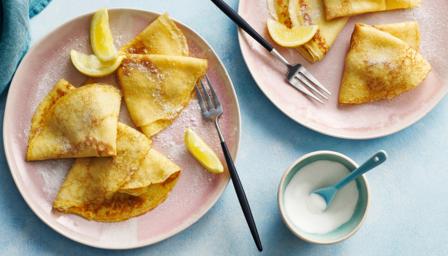
Master the Classic BBC Pancake Recipe: Thin & Lacy British Perfection
For many, the word "pancake" conjures images of thick, fluffy stacks, generously slathered with syrup – the quintessential American breakfast. But across the Atlantic, a different, equally beloved tradition reigns supreme: the delicate, paper-thin British pancake, often celebrated with a simple squeeze of lemon and a dusting of sugar. If you’ve ever yearned for those elegant, lacy-edged wonders, perhaps after a visit to London or simply seeing them in a cookbook, you know the frustration of trying to replicate them. Countless attempts, even following popular guides like the BBC's classic recipe, can lead to results that are tough, rubbery, or inconsistently cooked.
This article isn't just another rehash of the ingredients; it's a deep dive into the nuances that transform a basic batter into truly magnificent, melt-in-your-mouth British pancakes. Refined over years of dedicated trial and error, this comprehensive guide will equip you with the secrets to consistently create flawless, delicious pancakes that roll perfectly and embody true British perfection, whether for a special Shrove Tuesday brunch or a simple weekday treat. We'll explore why seemingly minor details make all the difference in mastering the authentic
BBC Pancake Recipe.
The Undeniable Secret: Why the 30-Minute Batter Rest Changes Everything
If there's one non-negotiable step in the pursuit of the perfect British pancake, it is allowing your batter to rest. And not just for a few minutes – we're talking a full
30 minutes. This isn't an optional suggestion; it's the single most crucial factor that elevates your pancakes from merely acceptable to impossibly tender and light. Skipping this step is, hands down, the most common mistake home cooks make, and it’s the primary reason many experience tough or chewy results.
But why is this rest period so vital? The science behind it is fascinating and fundamentally impacts the texture of your final pancake:
*
Gluten Relaxation: When you mix flour with liquid, gluten proteins begin to develop, forming a network that can, if not allowed to relax, make your pancakes springy and tough. A 30-minute rest gives these gluten strands time to unwind, resulting in a far more tender and delicate texture.
*
Starch Hydration: The flour's starch granules need time to fully absorb the liquid in the batter. This complete hydration ensures a smooth, consistent batter that cooks evenly and prevents a raw, floury taste. It also contributes significantly to that desirable melt-in-your-mouth quality.
Think of it like resting dough for bread; it improves the structure and texture immensely. This simple act, requiring nothing more than patience, is the breakthrough that transforms inconsistent results into consistently flawless, thin, and lacy masterpieces. For more in-depth understanding, explore
Secrets to Perfect BBC Pancakes: The 30-Minute Batter Rest is Key.
Beyond the Rest: Mastering the Art of British Pancake Perfection
While the batter rest is paramount, several other subtle yet significant factors contribute to achieving that coveted British pancake perfection. These are the details often overlooked but are essential for elevating your
BBC Pancake Recipe.
*
The Power of Whole Milk: For the best flavor and texture, always opt for whole milk. Its higher fat content isn't just about richness; it contributes significantly to the pancake's tenderness, creating a smoother, more luxurious mouthfeel. While skimmed or semi-skimmed milk can technically work, they simply won't yield the same depth of flavor or delicate texture.
*
Don't Skip the Salt: It might seem like a minor detail, especially in a seemingly sweet dish, but a pinch of salt is crucial. It acts as a flavor enhancer, balancing the richness of the eggs and milk and preventing the pancake from tasting bland or one-dimensional. It's the unsung hero that brings all the ingredients into delicious harmony.
*
Mastering the Pan Heat: The temperature of your cooking surface is a critical balancing act. Too low, and your pancake will be pale, soggy, and take too long to cook, potentially drying out. Too high, and it will burn on the outside before cooking through, leaving you with a raw center. The "sweet spot" is typically medium-high heat. You'll know your pan is ready when a tiny amount of butter sizzles instantly but doesn't immediately brown or smoke. The first pancake is often a "test pancake" – don't worry if it's not perfect; it helps you gauge and adjust the heat.
*
The Batter Blob Mistake: One of the most common pitfalls is using too much batter. Many instinctively pour a generous blob into the center of the pan, expecting it to spread evenly. The result? A pancake that’s too thick in the middle and often raw or undercooked at the edges. The secret is to use less batter than you think you need. A small ladle or a 1/4 cup measure is your best friend here. Pour just enough into the center, then immediately lift and swirl the pan to evenly coat the bottom with a paper-thin layer. This technique is key to achieving that signature lacy texture.
Crafting Your Classic BBC Pancakes: A Step-by-Step Guide
Bringing these insights together, here’s a streamlined approach to making your own perfect British pancakes. While exact ingredient quantities can vary slightly (refer to classic BBC Food or BBC Good Food recipes for precise measurements), the method remains consistent.
Ingredients (General):
- All-purpose flour
- Eggs
- Whole milk (the higher fat content is key!)
- A pinch of salt
- Butter or oil for cooking
Method:
- Combine Dry Ingredients: In a large bowl, whisk together the flour and salt. This ensures the salt is evenly distributed.
- Whisk Wet Ingredients: In a separate bowl or jug, lightly whisk the eggs with the whole milk.
- Combine Batters: Gradually add the wet ingredients to the dry ingredients, whisking continuously until you have a smooth batter. Be careful not to overmix; a few small lumps are perfectly fine and will disappear during the rest. Overmixing can develop gluten too much, leading to tough pancakes even after resting.
- THE CRUCIAL REST: Cover the bowl with cling film and let the batter rest at room temperature for a full 30 minutes. Do not skip this step! This is where the magic happens, ensuring tender, delicate pancakes.
- Prepare Your Pan: Heat a non-stick frying pan or crêpe pan over medium-high heat. Add a tiny amount of butter or oil and swirl to coat the base, then wipe off any excess with a paper towel. You want just a thin film for crispness, not a greasy pool.
- Pour and Swirl: Once the pan is hot (butter sizzles immediately), pour about a 1/4 cup (or a small ladleful) of batter into the center of the pan. Immediately tilt and swirl the pan quickly to spread the batter evenly across the entire base in a thin layer.
- Cook and Flip: Cook for 1-2 minutes until the edges appear set and lightly golden, and small bubbles form on the surface. The bottom should be beautifully golden-brown. Carefully loosen the edges with a spatula, then either flip it skillfully with a flick of the wrist (elaborate flip optional, but fun!) or use your spatula to turn it over.
- Finish Cooking: Cook for another 30 seconds to 1 minute on the second side until golden.
- Serve Immediately: Slide the cooked pancake onto a plate. If making a batch, you can keep them warm by stacking them on a plate covered with foil or placing them in a low oven (around 150°F / 65°C). Repeat with the remaining batter, re-greasing the pan as needed.
From Classic to Creative: Topping Your British Masterpiece
The beauty of the British pancake lies in its versatility. While delicious on its own, the right topping elevates it to an experience.
*
The Timeless Classic: Lemon & Sugar: This is the iconic British way to enjoy pancakes, especially on Shrove Tuesday (Pancake Day). A generous squeeze of fresh lemon juice followed by a dusting of granulated sugar creates a perfect balance of tartness and sweetness that perfectly complements the delicate pancake.
*
Sweet Indulgences: Don't stop at lemon and sugar! Explore a variety of sweet toppings:
- Chocolate sauce and sliced banana
- Caramel sauce with a sprinkle of sea salt
- Fresh berries (strawberries, raspberries, blueberries) with a drizzle of honey or maple syrup
- Jam or marmalade for a breakfast twist
- A dollop of whipped cream or crème fraîche
*
Savory Adventures: British pancakes, much like French crêpes, are excellent vehicles for savory fillings, transforming them into a light meal:
- Sautéed mushrooms and spinach with a sprinkle of cheese
- Ham and melted Gruyère or cheddar cheese
- Smoked salmon and cream cheese with fresh dill
- Chicken and mushroom filling in a light sauce
The thinness allows them to be rolled or folded elegantly, making them ideal for these more substantial fillings.
Conclusion
The quest for the perfect pancake can be a journey of trial and error, but armed with these refined techniques, your path to mastering the classic BBC Pancake Recipe will be far smoother. Remember the game-changing 30-minute batter rest, the importance of whole milk and salt, the delicate dance of pan heat, and the precision of your batter pour. With these secrets, you're not just making pancakes; you're crafting a culinary tradition, ensuring consistently flawless, tender, and lacy British perfection every time. So go ahead, whisk up a batch, embrace the simple elegance, and savor the true taste of a British classic.